


Abu Simbel Temple Ancient Mastery stands as one of the most awe-inspiring monuments of Ancient Egypt, blending architectural brilliance with deep historical significance. Located in the remote Nubian region, overlooking the tranquil Lake Nasser, this UNESCO World Heritage Site is a testament to the vision and power of Pharaoh Ramses II. The temple complex, comprising the Great Temple and the Small Temple dedicated to Queen Nefertari, showcases intricate carvings, colossal statues, and the remarkable solar alignment that illuminates the inner sanctuary twice a year.
Visiting Abu Simbel Temple is not just a trip—it’s a journey through time. An early morning drive through Nubia offers breathtaking desert landscapes, leading to the first magical sight of the temples rising from the sand. The Great Temple captivates with its massive seated statues of Ramses II, while the Small Temple enchants with its delicate artistry honoring Nefertari, one of the most celebrated queens of Egypt. Guided tours bring to life the myths, political power, and religious ceremonies that shaped the temples’ construction over 3,000 years ago.
The experience extends beyond history. Capture stunning photographs of the colossal monuments bathed in golden sunlight, savor a lakeside lunch with panoramic views of Lake Nasser, and immerse yourself in Nubian culture, exploring local traditions and handicrafts. Whether you choose a day trip from Aswan or a stop on your Nile cruise, every moment at Abu Simbel blends cultural discovery with unforgettable scenery. With expert planning by BAS Tours, your visit becomes seamless and enriched, ensuring you witness the true essence of Abu Simbel Temple Ancient Mastery in 2026—where history, beauty, and human achievement converge.
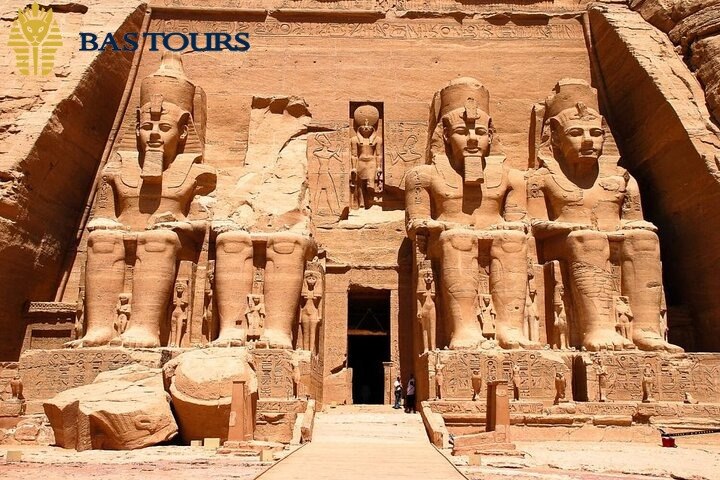
Early Morning Journey to Abu Simbel – Scenic Drive Through Nubia
An early morning journey to Abu Simbel is the perfect way to immerse yourself in the magic of Egypt’s southern landscapes. Departing from Aswan before sunrise, you’ll travel along the desert road through Nubia, a route that unveils a tapestry of golden sands, rocky hills, and glimpses of traditional Nubian villages.
The peaceful stillness of the desert at dawn creates a meditative atmosphere, with the soft hues of the sky gradually shifting from deep blues to warm oranges. Along the way, you may encounter Lake Nasser’s shimmering waters in the distance, a breathtaking reminder of how this region blends natural beauty with human engineering. This scenic drive is more than transportation—it’s an introduction to the cultural heart of Nubia, where the rhythm of life remains closely tied to the land.
The anticipation builds as each passing mile brings you closer to the world-famous Abu Simbel Temple Ancient Mastery, preparing you for the first unforgettable sight of its colossal monuments.
First Glimpse of the Great Temple – Awe at Ramses II’s Legacy
Arriving at Abu Simbel, your eyes will be drawn instantly to the Great Temple of Ramses II, a masterpiece carved directly into the mountainside over 3,000 years ago. Standing before the four monumental seated statues, each towering over 20 meters, is a humbling experience. The precision, scale, and artistry speak volumes about the ambition and power of Ramses II, one of Ancient Egypt’s most celebrated pharaohs.
This first glimpse is often accompanied by a sense of awe that photographs can never fully capture—the way the morning sun illuminates the statues, casting long, regal shadows across the temple’s façade. This moment is your introduction to a site that blends political propaganda, religious devotion, and artistic mastery into a single monumental statement. The setting on the banks of Lake Nasser adds to the drama, with the tranquil blue waters framing the golden stone of the temple, a view that will remain etched in your memory.
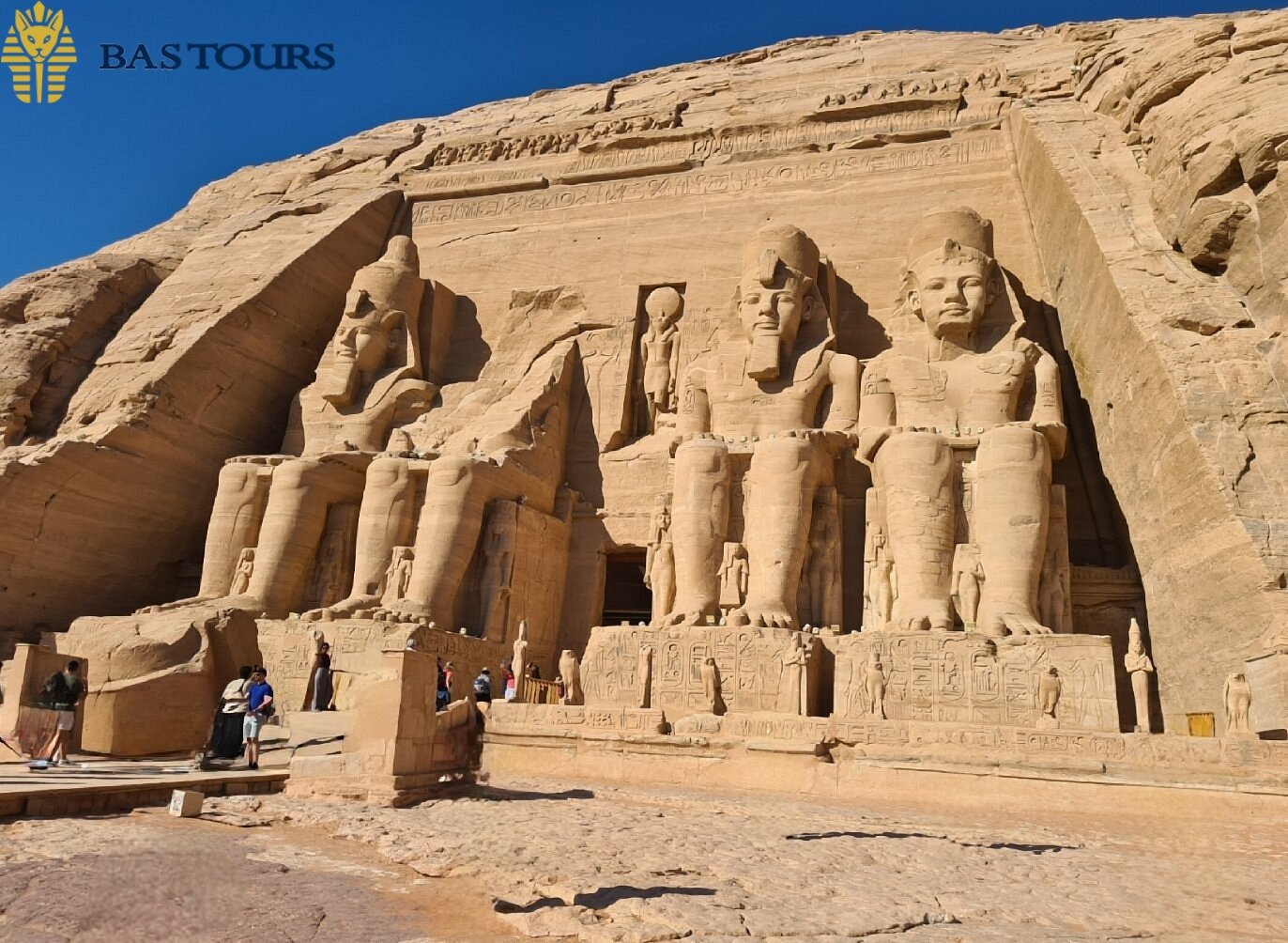
Exploring the Great Temple of Abu Simbel – Carvings, Statues, and Solar Alignment
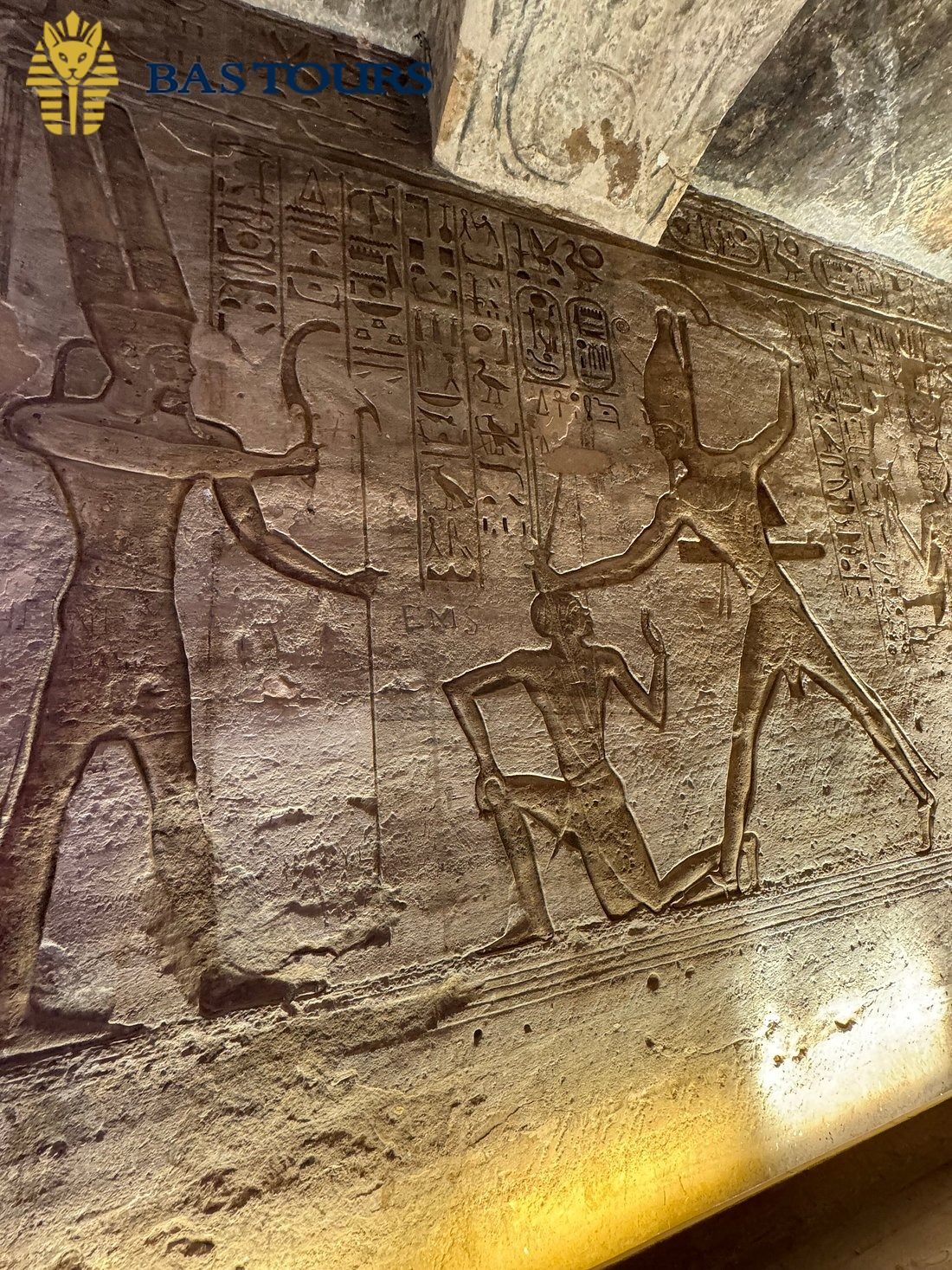
Step inside the Great Temple, and you’ll discover a world of intricate carvings and symbolic artistry. The vast hypostyle hall is lined with massive statues of Ramses II in the guise of the god Osiris, embodying eternal life and divine kingship. The walls are adorned with detailed reliefs depicting the Battle of Kadesh, ceremonial processions, and offerings to the gods, each scene meticulously preserved for over three millennia.
One of the most remarkable features is the temple’s solar alignment—on just two days each year, the rising sun penetrates the sanctuary to illuminate the statues of Ramses II and the gods Amun and Ra-Horakhty, leaving the god of the underworld, Ptah, in shadow. This phenomenon highlights the advanced astronomical and architectural skills of the ancient Egyptians. As you move deeper into the temple, the air feels cooler, the light dimmer, creating an atmosphere of reverence. Exploring the Great Temple of Abu Simbel is more than sightseeing—it’s stepping into a timeless narrative of power, devotion, and genius.
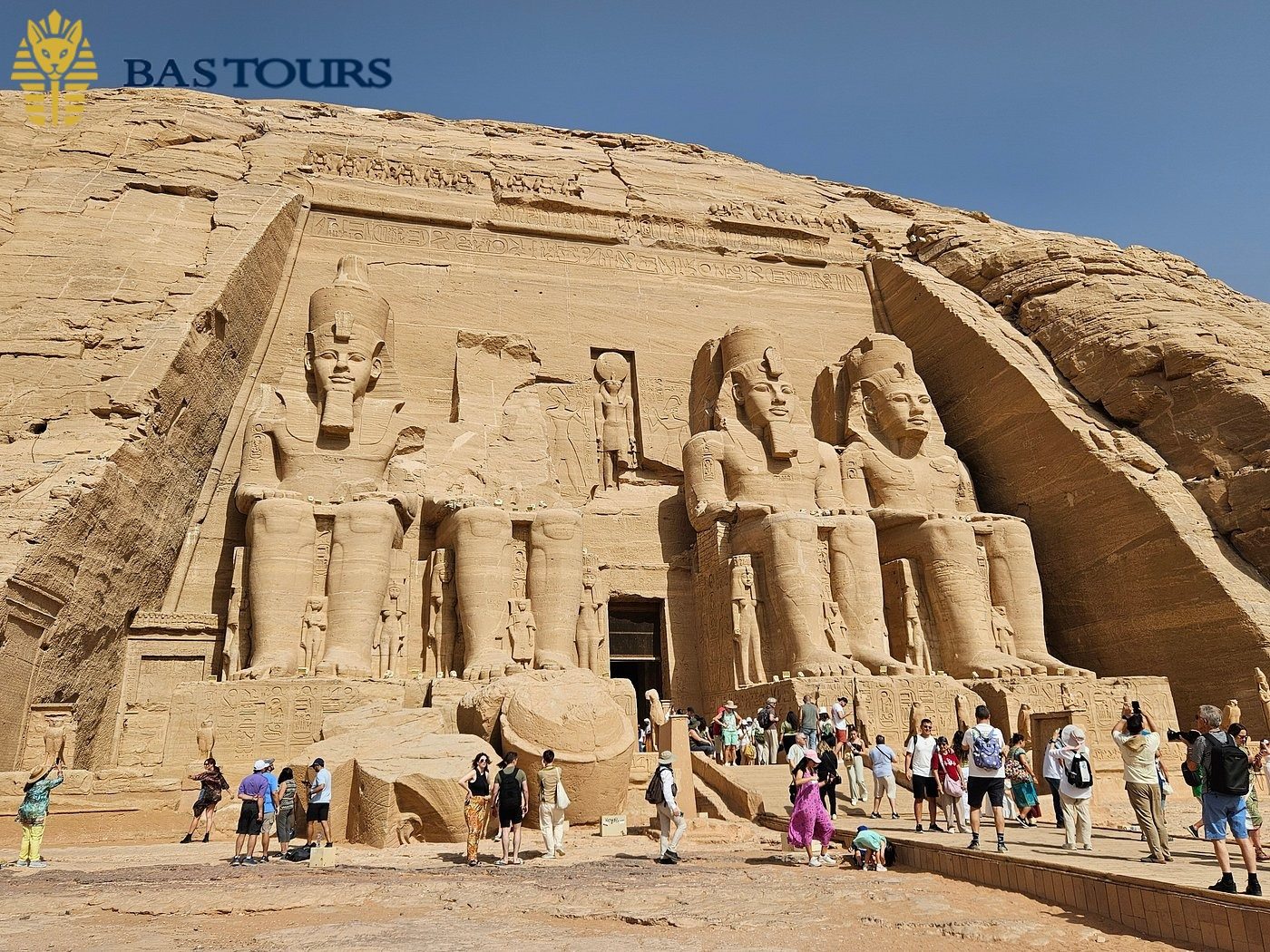
Discovering the Small Temple – The Timeless Beauty of Queen Nefertari’s Sanctuary
A visit to the Small Temple of Abu Simbel offers an intimate glimpse into the devotion and artistry of Ancient Egypt. Dedicated to Queen Nefertari, the beloved wife of Ramses II, this sanctuary is a rare tribute where a queen is depicted alongside the pharaoh as an equal. The façade features six towering statues—four of Ramses II and two of Nefertari—each carved with remarkable detail that captures royal elegance and divine grace.
Stepping inside, you’ll find a smaller yet exquisitely decorated hall, where colorful wall carvings depict the queen making offerings to the gods Hathor and Isis. The atmosphere here is softer, almost poetic, compared to the grandeur of the Great Temple, emphasizing beauty, harmony, and feminine strength.
The temple’s location, facing Lake Nasser, enhances its serene charm, with gentle breezes carrying the scent of the desert. This part of your journey through Abu Simbel Temple Ancient Mastery reveals not only the architectural skill of ancient craftsmen but also the deep personal and political significance of royal monuments in Egypt’s history.
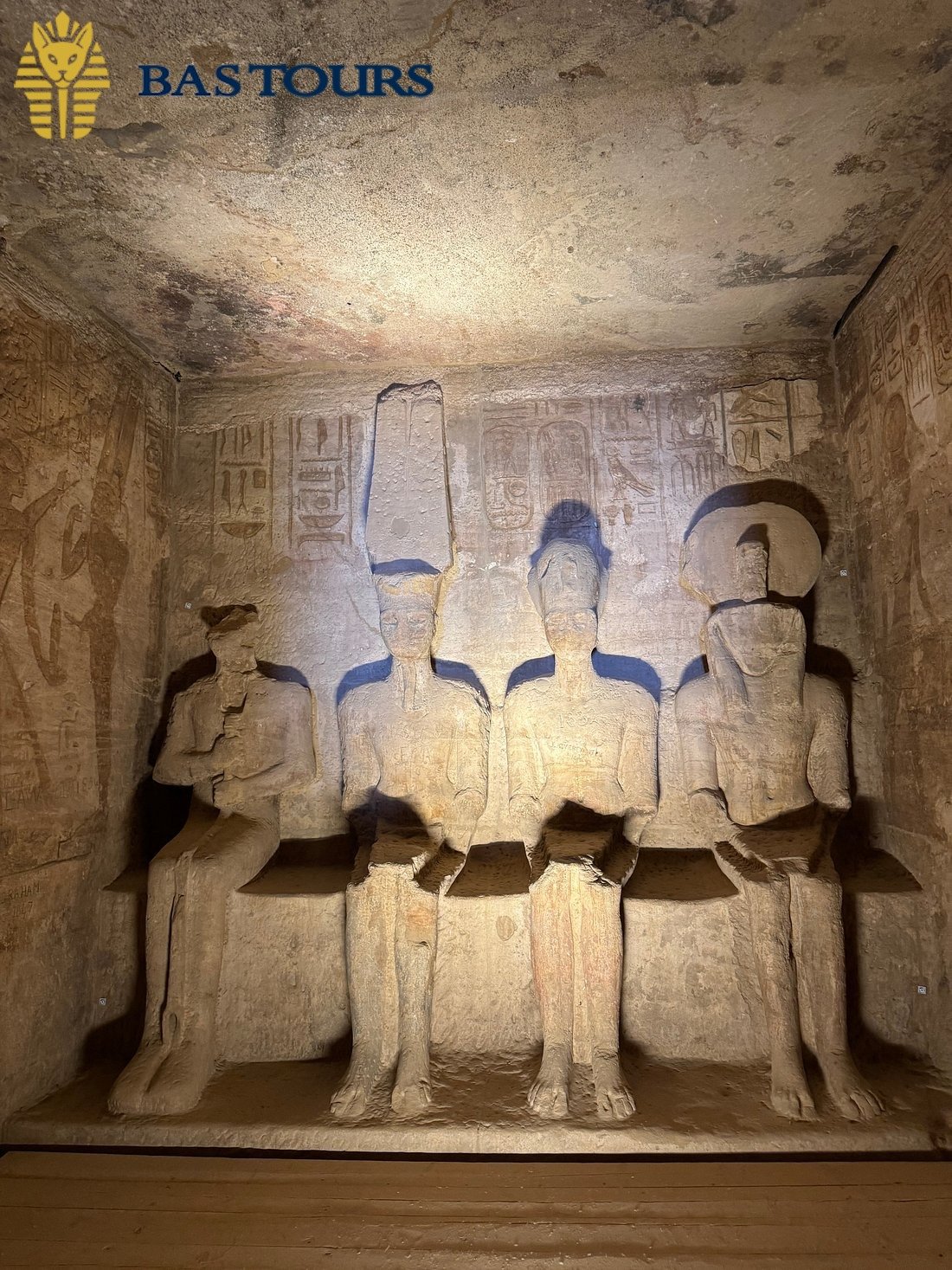
Guided Storytelling – Myths, Battles, and Ancient Rituals
Exploring Abu Simbel with a skilled guide transforms stone walls into vivid narratives. As you move between the Great Temple and the Small Temple, you’ll hear captivating tales of Ramses II’s legendary reign, including the celebrated Battle of Kadesh, one of the most documented military campaigns in the ancient world. The guide will explain the symbolic alignment of the temples, the religious festivals that once filled these spaces with music and incense, and the myths surrounding deities like Ra-Horakhty and Hathor.
You’ll learn how every carving, column, and statue served a purpose—whether to honor the gods, showcase royal power, or align with celestial events. Stories of the temples’ dramatic relocation during the construction of Lake Nasser in the 1960s add another layer of intrigue, illustrating the modern effort to preserve this UNESCO World Heritage Site. This guided storytelling connects you emotionally to the monuments, making your visit more than sightseeing—it becomes a journey into the heart of ancient ritual and myth.
Photography Moments – Capturing the Colossal Monuments
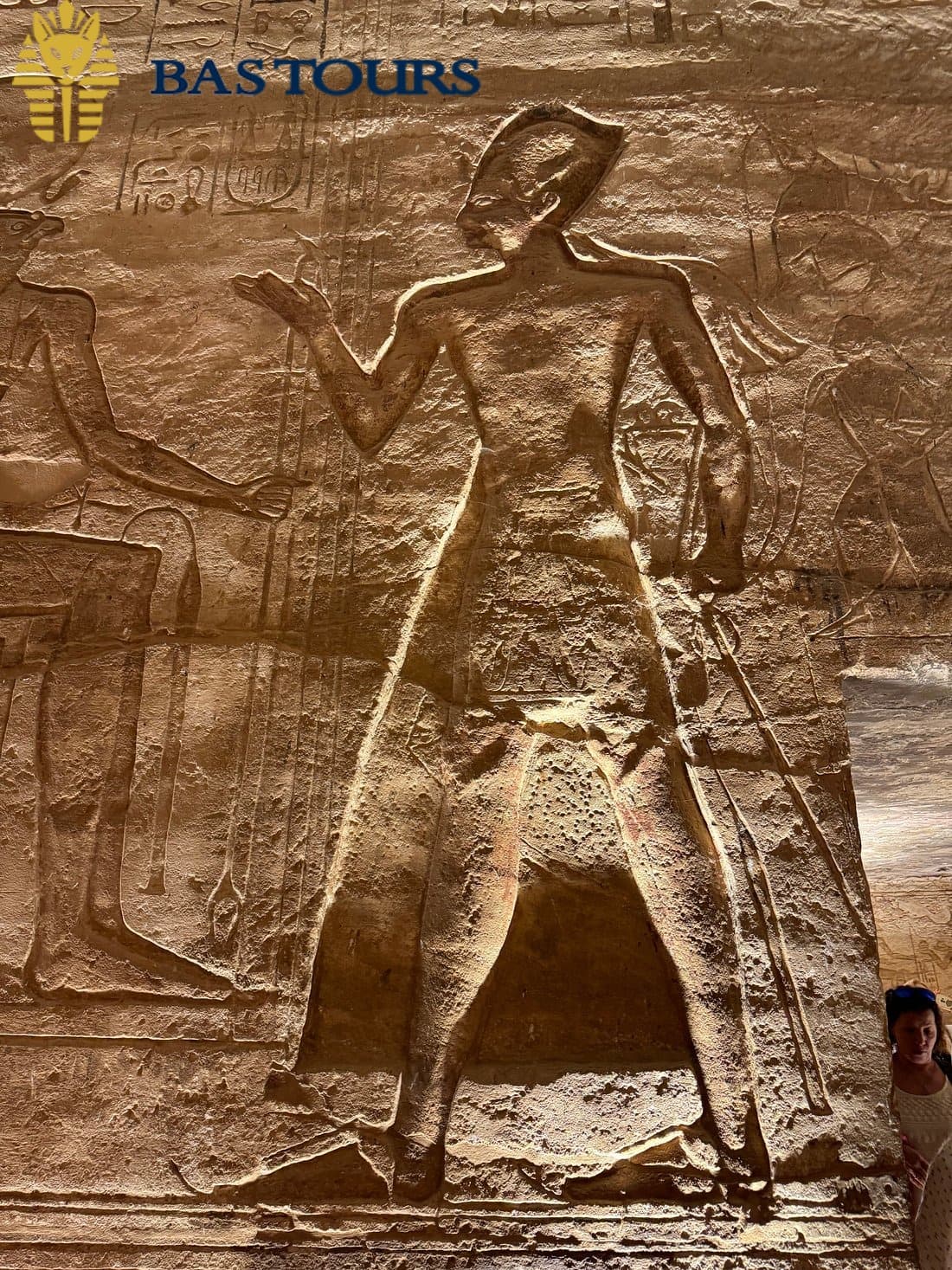
For photography enthusiasts, Abu Simbel Temple Ancient Mastery is a paradise of perspectives. The early morning light bathes the colossal statues in a golden glow, enhancing the intricate carvings and casting dramatic shadows across the forecourt. Framing the Great Temple with Lake Nasser in the background creates a perfect contrast between nature’s stillness and man’s monumental ambition. Inside the temples, the interplay of light and shadow offers unique opportunities to capture details like the solar alignment sanctuary, where the statues of Ramses II and the gods seem to emerge from the dim light.
Wide-angle shots reveal the scale of the façades, while close-ups bring out the delicate craftsmanship in hieroglyphs and reliefs. Even the surrounding Nubian landscape provides stunning backdrops for your travel portraits. With thoughtful composition, you can create images that convey both the grandeur and the intimate artistry of this site, ensuring your memories of Abu Simbel are preserved as vividly as the temples themselves.
Nubian Cultural Encounter – Local Traditions and Handicrafts
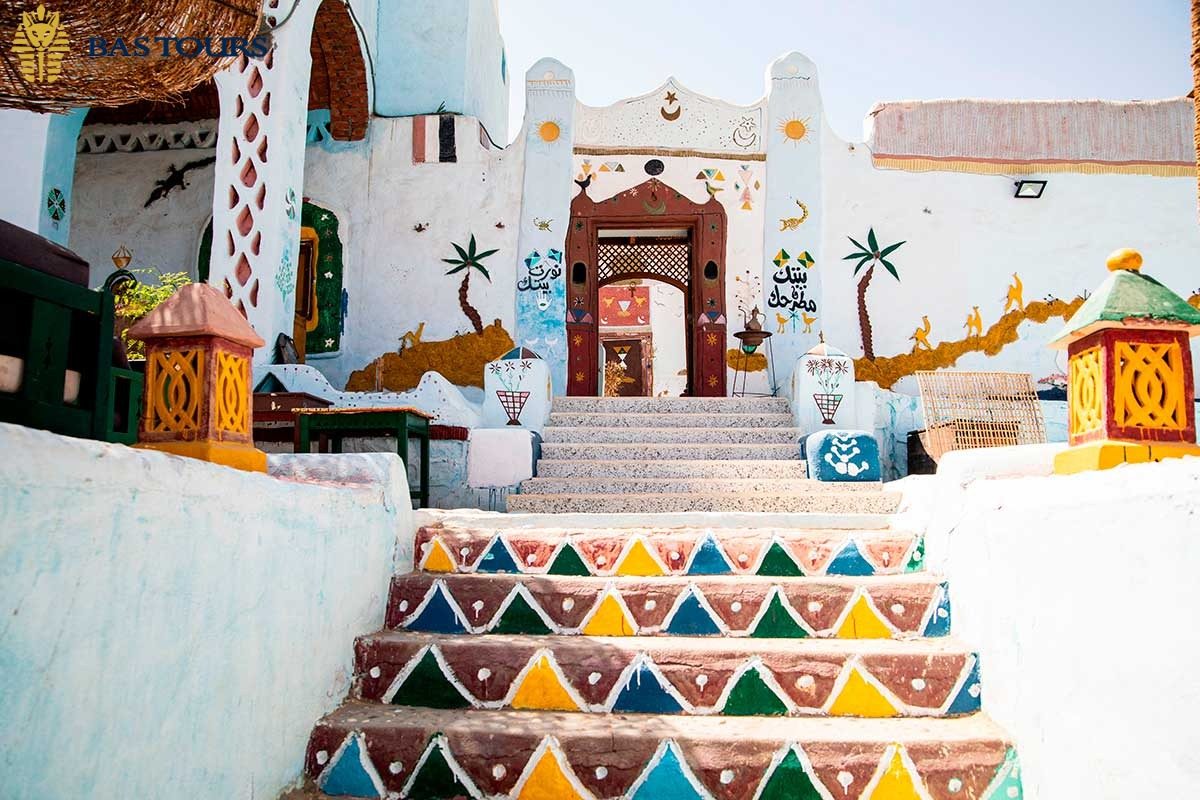
A visit to Abu Simbel Temple Ancient Mastery is not complete without immersing yourself in the vibrant Nubian culture that thrives in the surrounding villages. The Nubian people, known for their warm hospitality and colorful traditions, welcome travelers into their world with genuine smiles and a deep sense of pride. Walking through the village streets, you’ll be surrounded by brightly painted houses adorned with geometric patterns and scenes from daily life.
Local artisans showcase their skills in crafting handwoven baskets, intricately beaded jewelry, and hand-painted pottery, each piece telling a story passed down through generations. This is your chance to watch traditional techniques in action and even try your hand at a craft under the guidance of skilled locals.
Music and dance often fill the air, offering glimpses into celebrations that have remained unchanged for centuries. Beyond the crafts, the Nubian encounter provides insight into a way of life shaped by the Nile River and the desert landscape, blending ancient customs with modern resilience. Purchasing a handmade souvenir not only supports the local economy but also allows you to take a tangible memory of Nubia home with you.
Lakeside Lunch Overlooking Lake Nasser
After exploring the grandeur of Abu Simbel, nothing is more rewarding than savoring a tranquil lunch with a view of the shimmering Lake Nasser. The gentle breeze carries the scent of fresh fish grilled to perfection, complemented by fragrant Egyptian spices and served alongside warm flatbread, tahini, and crisp salads. Many lakeside restaurants are family-run, ensuring authentic flavors and heartfelt service. As you dine, the panoramic view stretches across the calm waters, where the desert meets the horizon in a stunning display of contrasts.
The peaceful setting offers a chance to reflect on the day’s discoveries, from the colossal temples to the intimate Nubian encounters. Watching the soft ripples on Lake Nasser, you might spot fishing boats drifting lazily or migratory birds skimming the surface. This meal is more than a break—it’s an experience that blends culinary delight with natural beauty, leaving you refreshed and ready for the journey back.
Return Journey – Sunset Views Along the Nile
The drive back from Abu Simbel is a journey in itself, especially when timed with the breathtaking Nile River sunset. As the sun dips toward the horizon, the sky transforms into a canvas of gold, pink, and violet, casting warm hues over the riverbanks. Along the way, glimpses of rural life appear—farmers tending to fields, children playing by the water’s edge, and feluccas gliding gracefully across the current. The changing light highlights the lush greenery fed by the Nile, creating a stark yet beautiful contrast with the surrounding desert.
This is the perfect moment to unwind, reflect, and capture final photographs of your day. The return journey also offers a sense of closure, as the wonders of Abu Simbel Temple Ancient Mastery, the stories of Nubia, and the peaceful scenes of the Nile merge into one unforgettable memory. By the time you reach your destination, you carry with you not just images, but the soul of a journey steeped in history, culture, and nature’s artistry.
Travel Tips & Visitor Guidelines for Abu Simbel Temple Ancient Mastery
Visiting the Abu Simbel Temple Ancient Mastery is a once-in-a-lifetime experience, and careful planning ensures you make the most of your journey. The temples are located near the Sudanese border, so it’s essential to start your trip early, especially if you’re joining a convoy from Aswan. Wear comfortable clothing and walking shoes, as exploring the Great Temple and the Small Temple of Queen Nefertari involves walking over uneven ground. The desert sun can be intense, so carry sunglasses, sunscreen, and a wide-brimmed hat for protection.
Photography is allowed in most areas, but flash photography is prohibited inside the temples to preserve the ancient carvings and paintings. To capture the best shots, arrive early in the morning for soft lighting or stay until late afternoon for golden-hour hues over Lake Nasser.
Tickets can be purchased at the entrance, with separate fees for entry, photography, and guided tours. Hiring a professional guide is highly recommended, as they bring the statues, inscriptions, and solar alignment stories to life with fascinating historical context.
Bring small change for local purchases—whether it’s handcrafted Nubian souvenirs or bottled water from nearby stalls. If you’re traveling during the famous Sun Festival in February or October, expect larger crowds but an unforgettable experience as sunlight illuminates the inner sanctuary.
Finally, respect the cultural heritage by not touching the carvings, and maintain a quiet atmosphere inside the temples. With these tips, your visit to Abu Simbel will be smooth, enriching, and truly memorable.
Book Your Abu Simbel Adventure Today!
Don’t just dream about exploring the Abu Simbel Temple Ancient Mastery—make it happen! Whether you want to witness the majestic Great Temple of Ramses II, admire the Small Temple of Queen Nefertari, or immerse yourself in Nubian culture by Lake Nasser, our expert team will craft an unforgettable journey tailored to your style.
Secure your spot now for a hassle-free, guided experience that combines history, culture, and breathtaking landscapes. We handle all the details—transportation, tickets, professional guides, and insider tips—so you can focus on enjoying every magical moment.
Call or WhatsApp:
Phone: +1 4373336728 | +2 01550573473
Address:
704 Weston Road, Toronto, ON, Canada M6N 3R2
Your Abu Simbel experience is just a message away—book now and step into the heart of ancient Egypt!


Comments are closed