


Fall in Love with Luxor Temple 2026 invites travelers to step into one of Egypt’s most captivating treasures, where history, architecture, and culture unite in breathtaking harmony. Nestled on the east bank of the Nile in the heart of Luxor, this ancient masterpiece has fascinated visitors for centuries, offering a glimpse into the grandeur of Ancient Egypt. Built during the reign of Amenhotep III and later expanded by Ramses II, the Luxor Temple was not just a religious sanctuary, but a stage for royal ceremonies and timeless festivals.
In 2026, exploring the historical significance of this temple will be more immersive than ever, thanks to expert-guided tours that unveil the stories hidden within its colossal columns and sacred courtyards. From the intricately carved hieroglyphs to the towering obelisk that once greeted pharaohs, every corner reveals a chapter of Egypt’s living history.
Whether you choose a daytime visit, basking in the golden sunlight that illuminates its sandstone walls, or a night tour, where strategic lighting brings an ethereal glow, the experience is nothing short of magical. You can combine your trip with a Nile cruise, connecting the temple to other wonders such as Karnak Temple and the Valley of the Kings, or plan your journey during cultural events when the site comes alive with music, dance, and heritage displays.
With BAS Tours, your visit to Luxor Temple in 2026 becomes more than sightseeing—it becomes a journey into Egypt’s soul. Our practical travel tips, curated itineraries, and insider recommendations ensure you capture the best views, the most striking photographs, and an unforgettable connection to one of the world’s most remarkable landmarks.

The Historical Significance of Luxor Temple in Ancient Egypt
The Luxor Temple, located on the east bank of the Nile in the city of Luxor, stands as one of the most extraordinary monuments from Ancient Egypt. Unlike other temples dedicated solely to gods, Luxor Temple was primarily built to honor the concept of kingship, serving as the ceremonial site for the Opet Festival—a grand annual event symbolizing the renewal of the pharaoh’s divine right to rule. Constructed initially by Pharaoh Amenhotep III around 1400 BCE and later expanded by Ramses II, it became a living testament to Egypt’s political, religious, and cultural evolution.
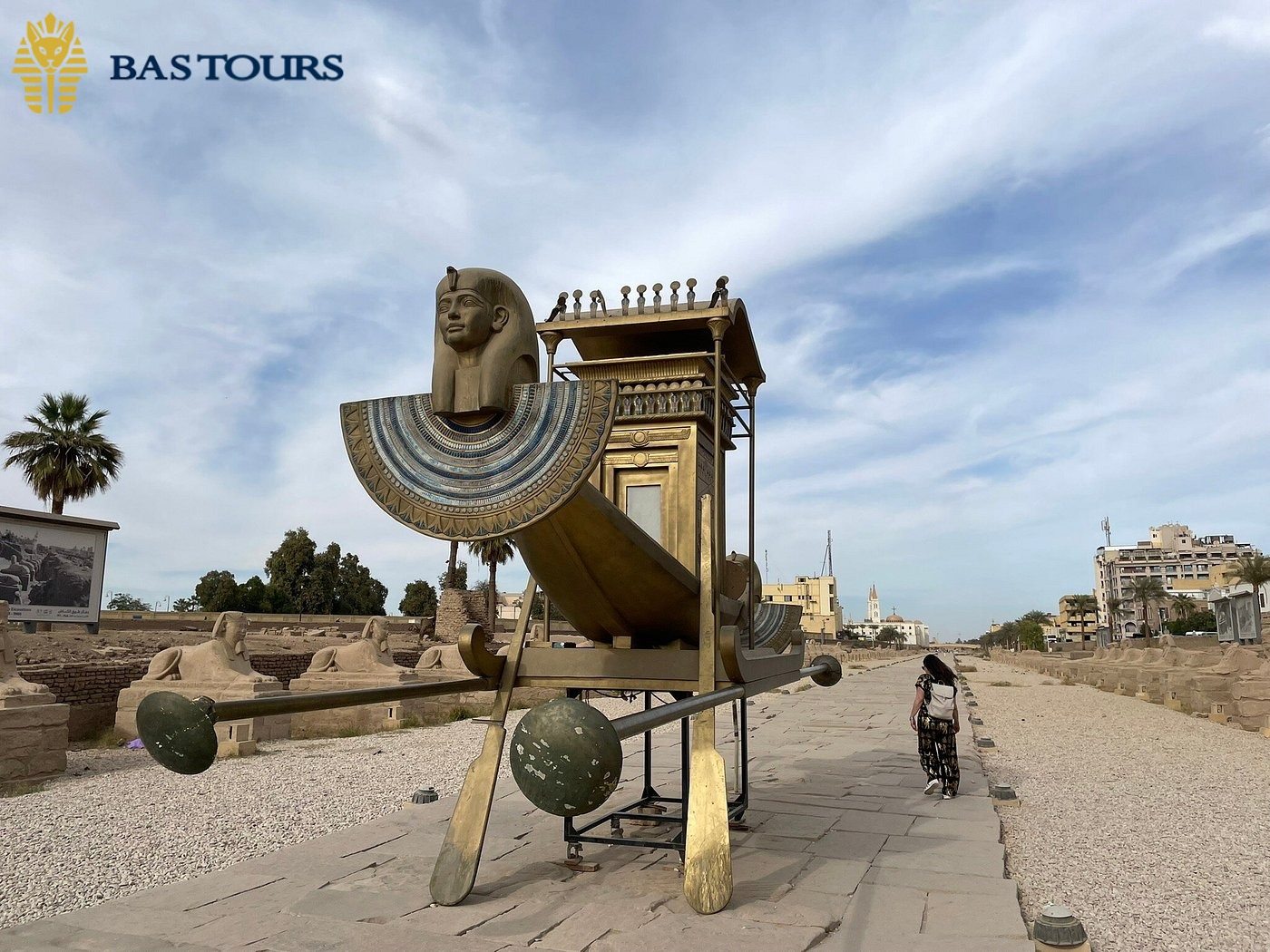
In antiquity, this temple was the southern end of the Avenue of Sphinxes, a majestic processional road linking it to the Karnak Temple Complex. During festivals, statues of Amun, Mut, and Khonsu were carried along this avenue to Luxor Temple, reinforcing its central role in state rituals. Over the centuries, the temple also absorbed influences from various periods—Alexander the Great added a chapel, while the Romans converted parts into a church, reflecting its enduring importance across civilizations.
Today, visiting the Luxor Temple allows travelers to step directly into history, where massive statues, intricate carvings, and inscriptions still tell the stories of powerful rulers and their divine connections. As the sun sets, the temple transforms under soft illumination, giving visitors a chance to witness the same atmosphere that once inspired awe in ancient processions. For historians, architects, and curious travelers alike, its significance is unmatched—a bridge between Egypt’s past glory and its present cultural pride.

Architectural Marvels – Columns, Statues, and Sacred Spaces
The architectural brilliance of the Luxor Temple is a masterpiece of ancient craftsmanship, blending artistic beauty with symbolic meaning. Upon entering through the grand pylon built by Ramses II, visitors are greeted by colossal statues representing the pharaoh himself, standing as eternal guardians of the sacred site. Beside the entrance once stood two towering obelisk monuments, one of which remains today while its twin resides in Place de la Concorde in Paris.
Inside, the Colonnade Hall designed by Amenhotep III showcases fourteen massive papyrus-shaped columns, each rising nearly 19 meters high. These columns are not merely structural; their carvings depict processions, offerings, and divine ceremonies, providing valuable insight into the religious life of Ancient Egypt. The Peristyle Court, another highlight, is framed by majestic columns and served as a gathering space for both priests and royalty during important rituals.
Sacred spaces within the temple, such as the Sanctuary of Amun, hold deep spiritual significance. This inner chamber, where the god’s statue was once kept, remains one of the most revered parts of the complex. The architectural layout reflects the ancient Egyptian worldview—transitioning from open courtyards to increasingly restricted areas, symbolizing the journey from the earthly realm to the divine.
At night, strategic lighting enhances the carvings and stone textures, creating a dramatic contrast between shadow and light. The illuminated columns seem to whisper the stories of past millennia, while the stillness of the temple amplifies its mystical aura. For lovers of ancient architecture, this is not just a site to photograph—it’s a living gallery of pharaonic artistry, precision, and grandeur.

What Did Egyptians Discover? Secrets Hidden in Luxor Temple
The Luxor Temple has yielded countless archaeological discoveries, revealing new insights into Ancient Egypt with each excavation season. Over the last century, archaeologists have uncovered layers of history beneath the sandstone floors, including hidden chambers, ancient workshops, and religious artifacts that shed light on temple life thousands of years ago.
One of the most remarkable findings is the Avenue of Sphinxes, buried for centuries under the sands, now restored to connect Luxor Temple to Karnak Temple. This monumental pathway, flanked by hundreds of sphinx statues, redefines our understanding of the temple’s role in religious processions. Inscriptions discovered within the temple walls also reveal detailed accounts of the Opet Festival, providing invaluable context to the temple’s ceremonial function.
Excavations have uncovered statues of Ramses II, fragments of ancient altars, and evidence of the temple’s transformation during the Roman era, including painted frescoes and structural modifications. Some areas even reveal traces of an earlier Middle Kingdom structure, suggesting that Luxor Temple’s location was sacred long before the New Kingdom’s expansion.
For modern explorers, guided tours often highlight these archaeological stories, allowing visitors to stand where groundbreaking discoveries were made. Touching the weathered stone, one can imagine the craftsmen chiseling hieroglyphs, priests performing sacred rites, and pharaohs entering the temple in grand ceremonies.
The secrets of Luxor Temple are far from exhausted—ongoing research promises to uncover more mysteries, ensuring that each visit in 2026 and beyond will reveal fresh perspectives on one of Egypt’s most iconic monuments. With every discovery, this temple deepens its allure, reaffirming why travelers from around the world continue to fall in love with it.
Best Time to Visit Luxor Temple in 2026
Choosing the best time to visit Luxor Temple in 2026 can elevate your journey from memorable to truly magical. The temple, located in the heart of Luxor, offers a captivating experience throughout the year, but the months from October to April are considered the most comfortable for exploration.
During these months, the weather is pleasantly mild, making it easier to admire the ancient columns, walk through the Avenue of Sphinxes, and take in the intricate carvings without the discomfort of intense heat. If you prefer smaller crowds, visiting in the early morning or late afternoon is ideal, offering a more intimate connection with the temple’s history. Those who enjoy photography will find that the golden light of sunrise and sunset enhances the beauty of Luxor Temple’s sandstone walls, bringing out details often overlooked during midday.
While summer (May to September) offers lower tourist numbers, the high temperatures can be challenging, so guided evening tours are recommended during these months. Planning your trip around cultural events such as the Opet Festival reenactment can also add depth to your experience. Whether by day or night, 2026 is shaping up to be an exceptional year to immerse yourself in the wonders of Ancient Egypt at Luxor Temple.

Day and Night Tours – Two Faces of Luxor Temple
Exploring Luxor Temple during the day and night reveals two entirely different yet equally mesmerizing experiences. By day, the temple’s colossal statues, massive pylons, and ancient inscriptions are illuminated by natural sunlight, allowing you to study their details closely.
You can wander through the hypostyle halls, trace the carvings of pharaohs like Ramses II, and follow the ceremonial path of the Avenue of Sphinxes connecting the temple to Karnak Temple. In contrast, the nighttime transformation is nothing short of magical. As the sun sets, soft golden lights bathe the columns and statues, casting dramatic shadows that evoke the atmosphere of ancient religious ceremonies. The air feels cooler, the crowds are smaller, and the sound of footsteps on the stone floors becomes almost meditative.
Many travelers claim the night tours offer a more spiritual connection, as the temple feels alive under the moonlight. Combining both experiences in a single day allows visitors to fully appreciate the temple’s dual character—its architectural grandeur under the sun and its mystical aura after dark. Whether you’re a history enthusiast, a photographer, or simply a traveler seeking unforgettable moments, touring Luxor Temple in both daylight and moonlight promises a journey through time that no other site in Egypt can match.

Combining Luxor Temple with a Nile Cruise Experience
For travelers seeking a comprehensive Egypt itinerary, combining Luxor Temple with a Nile Cruise offers the ultimate cultural and scenic adventure. Most Nile cruises begin or end in Luxor, making it easy to integrate a temple visit into your voyage. Imagine starting your day with a guided tour of Luxor Temple, walking through its monumental gateways and standing before towering statues of Amenhotep III, then returning to your luxury cruise ship to sail along the tranquil Nile River.
A cruise allows you to experience the continuity of Ancient Egyptian history, with stops at other legendary sites like Karnak Temple, Valley of the Kings, and Edfu Temple. Onboard, you can enjoy fine dining, rooftop sunsets, and lectures about the temple’s history and Egyptian civilization. This combination not only maximizes your sightseeing but also creates a seamless travel experience, as you move effortlessly from one historical treasure to the next.
In 2026, many cruise operators, including premium lines, will offer packages that highlight Luxor Temple as a signature stop, complete with exclusive evening tours and private guides. Whether you’re drawn by the romance of river travel or the allure of Egypt’s ancient wonders, pairing Luxor Temple with a Nile Cruise promises a journey filled with history, beauty, and unforgettable memories.م

Cultural Events and Festivals at Luxor Temple
Throughout the year, Luxor Temple becomes a vibrant stage for cultural celebrations, blending Egypt’s ancient traditions with its modern spirit. The most famous is the Opet Festival, originally celebrated during the New Kingdom, where statues of Amun, Mut, and Khonsu were paraded from Karnak Temple to Luxor Temple. Today, visitors can witness re-enactments of this grand procession during certain cultural events, offering a glimpse into the grandeur of ancient Egyptian ceremonies.
In 2026, Luxor is expected to host a variety of music, dance, and light shows, bringing the temple’s sacred courtyards and colossal statues to life under the night sky. For travelers seeking authentic experiences, attending a sound and light show at Luxor Temple is a must, as it narrates the temple’s history while bathing it in mesmerizing illuminations.
BAS Tours recommends aligning your visit with these festivals to fully immerse yourself in Luxor’s living heritage. Whether you’re fascinated by ancient rituals or simply want to experience the city’s cultural heartbeat, these events create a powerful connection between the past and the present, making your journey unforgettable.
Photography Tips – Capturing the Magic of Luxor Temple
Luxor Temple is a photographer’s paradise, offering a dynamic mix of golden sandstone walls, intricate hieroglyphs, and monumental statues. The best time for capturing its beauty is during sunrise or sunset, when the warm light casts dramatic shadows over the temple’s grand columns.
For daytime photography, a polarizing filter can help reduce glare and enhance the deep blue of the Egyptian sky, while evening shots benefit from the temple’s glowing illumination during night tours. Close-up shots of carvings reveal stories of gods, kings, and ceremonial scenes, while wide-angle lenses allow you to capture the temple’s majestic scale.
BAS Tours suggests visiting at quieter hours to avoid large crowds in your shots, especially if you want symmetrical frames of the temple’s processional avenue. For travelers on a Nile cruise, approaching Luxor Temple from the river at dusk provides breathtaking panoramic shots, especially as feluccas glide across the water. Remember to respect the sacred nature of the site by avoiding flash in restricted areas and following photography guidelines.
Practical Travel Tips from BAS Tours for Your 2026 Visit
Planning your 2026 journey to Luxor Temple is all about timing, comfort, and maximizing your experience. BAS Tours recommends booking your visit early in the morning or in the evening to avoid the midday heat. Lightweight clothing, a hat, and comfortable walking shoes are essential, as exploring the temple’s vast courtyards and passageways requires time and energy.
Always carry water, and consider combining your temple visit with a guided tour to Karnak Temple or a sunset Nile felucca ride. For accommodations, stay in centrally located Luxor hotels like the Sofitel Winter Palace or Steigenberger Nile Palace for easy access to the temple. BAS Tours also offers exclusive packages that include private guides, air-conditioned transfers, and access to cultural performances. For families, strollers are allowed in certain areas, but be prepared for uneven ground.
Photography enthusiasts should bring both wide-angle and zoom lenses, while history lovers can enhance their experience by reading about Amenhotep III and Ramses II, the temple’s most influential builders. With the right preparation, your visit to Luxor Temple will be both comfortable and unforgettable.
Why Luxor Temple Remains Egypt’s Beating Heart
Luxor Temple is more than just an ancient monument—it’s a living symbol of Egypt’s enduring spirit. Built by Amenhotep III and expanded by Ramses II, it has witnessed coronations, religious processions, and centuries of transformation. Unlike other temples dedicated to gods, Luxor Temple was closely tied to the concept of kingship, making it a central stage for political and spiritual life in ancient Egypt. Today, its towering obelisks, colossal statues, and intricately carved walls continue to inspire travelers from around the globe. Visiting at sunset, when the temple glows under golden light, feels like stepping into a different era.
Whether you explore it during a bustling festival, as part of a serene Nile cruise, or on a private BAS Tours itinerary, Luxor Temple offers a unique combination of history, architecture, and cultural vibrancy. For anyone seeking to understand Egypt’s soul, Luxor Temple is not just a stop on a journey—it’s the heart of it.

Practical Recommendations for Your Luxor Temple Visit with BAS Tours
-
Arrive in Luxor at least one day before your temple tour to rest and acclimate.
-
Stay at nearby hotels like Winter Palace Luxor or Steigenberger Nile Palace for easy access.
-
Wear lightweight, breathable clothing; bring a scarf or shawl for sun protection and modesty.
-
Use comfortable walking shoes for exploring large temple grounds.
-
Apply sunscreen, wear sunglasses, and carry a hat to protect against the strong sun.
-
Start your visit early morning to enjoy cooler temperatures and soft golden light.
-
For night tours, bring a light jacket as temperatures can drop.
-
Stay hydrated—always carry bottled water during your visit.
-
Combine your Luxor Temple tour with a Nile cruise for a richer experience; BAS Tours can arrange packages.
-
Try local dining spots like Sofra Restaurant & Café for authentic Egyptian cuisine.
-
Follow your BAS Tours guide’s advice for the best photo spots and smooth logistics.
Book Your Unforgettable Luxor Temple Journey with BAS Tours – Contact Us Today!
Ready to embark on your unforgettable journey to Luxor Temple and explore the heart of Ancient Egypt? Book your exclusive 2026 tour now with BAS Tours—your trusted travel partner for immersive Egyptian experiences.
For personalized itineraries, expert guidance, and seamless travel arrangements, call or WhatsApp us today:
Phone: +1 4373336728 | +2 01550573473
Visit us at our office:
704 Weston Road, Toronto, ON, Canada M6N 3R2
Don’t miss your chance to fall in love with Luxor Temple in 2026. Contact BAS Tours now and make your dream Egypt adventure a reality!

We also recommend this trip :
What is so special about Luxor Temple?
Luxor Temple is unique because it served as a ceremonial center dedicated to the ancient Egyptian concept of kingship and divine renewal. Unlike many other temples dedicated primarily to gods, Luxor Temple was the site of the famous Opet Festival, where the pharaoh’s divine right to rule was symbolically renewed.
Its impressive architecture, including massive statues of Ramses II, the grand Colonnade Hall, and its connection to the Avenue of Sphinxes leading to Karnak Temple, makes it a breathtaking monument full of history and religious significance.
Which is better, Luxor or Karnak Temple?
Both temples are extraordinary but offer different experiences. Karnak Temple is larger and more complex, known for its vast hypostyle hall with hundreds of columns and its status as one of the greatest religious complexes ever built. Luxor Temple, on the other hand, is more compact and focuses on the royal cult and festivals. Many travelers recommend visiting both to get a full picture of ancient Thebes—Karnak for scale and grandeur, and Luxor for intimate, ceremonial atmosphere.
What is Luxor famous for?
The city of Luxor is famous as the ancient city of Thebes, a historic capital of Egypt’s New Kingdom. It is renowned for its wealth of ancient monuments, including the Luxor Temple, Karnak Temple, and the nearby Valley of the Kings and Valley of the Queens—the burial places of pharaohs and nobility. Luxor is often called the “world’s greatest open-air museum” due to its concentration of archaeological treasures.
How much is Luxor Temple?
The entrance fee for Luxor Temple varies depending on your nationality and ticket type. For international tourists, the standard ticket price is approximately 160 Egyptian Pounds (around 10 USD).
Additional fees may apply for guided tours, photography permits, or combined tickets with other nearby sites. Prices are subject to change, so it’s advisable to check with official sources or your tour operator, like BAS Tours, before visiting.


Comments are closed